Medically reviewed by:
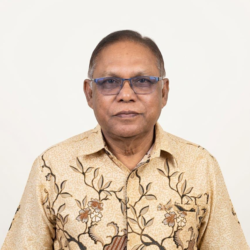
Alhaz Dr. Md. Altaf Hosen Mondol
MBBS, DPM FRSH (London) Former HOD Department of Psychiatry, SZMC, Bogura
Recovery after de-addiction treatment means learning how to live safely, soberly, and responsibly after rehab. It is not only about staying away from drugs. It is also about rebuilding health, family trust, routine, work or study life, and emotional control.
I often tell families that rehab is a strong first step, but it is not the final step. The real test begins when a person returns home. In Bangladesh, this stage can be hard because of old friends, social shame, family pressure, unemployment, and a lack of proper aftercare.
At Mayer Ashroy, I believe life after rehab should be planned before the person fully returns to normal life. A written recovery plan, family support, follow-up counselling, and relapse prevention can make this stage safer and more stable.
Medical experts also support this approach. WHO and UNODC describe treatment for drug use disorders as evidence-based, ethical, and built around proper treatment systems, not one-time care.
What Does Recovery After De-Addiction Treatment Mean?
Recovery Is More Than Staying Away From Drugs
Recovery after de-addiction treatment means building a new life where drug use is no longer the center of the person’s thoughts, choices, and habits.
A healthy recovery includes:
Physical health
Mental health
Emotional control
Better decision-making
Rebuilding family relationships
Returning to work, study, or family duties
Avoiding risky people and places
Creating a long-term support system
A person may stop using drugs during rehab. But after rehab, they must learn how to face stress, cravings, family conflict, money problems, loneliness, and peer pressure without going back to drugs.
That is why addiction recovery after rehab needs patience, structure, and professional guidance.
Rehab Ends, But Aftercare Begins
Rehab gives a person structure. There are rules, counselling sessions, routines, and supervision. But home life is different.
At home, the person may face old triggers again. They may see old friends. They may feel bored. Family members may doubt them. They may feel shame or fear about the future.
This is where aftercare after drug rehab becomes important.
Aftercare may include:
Follow-up counselling
Medical checkups
Family counselling
Relapse-prevention planning
Support groups
Daily routine monitoring
Safe work or study planning
Mayo Clinic notes that long-term follow-up is important to prevent relapse, and ongoing support may include counselling, group sessions, or self-help programs.
Why Life After Rehab Can Be Difficult in Bangladesh
Returning to the Same Environment
Many people return to the same home, same area, and same social circle after rehab. This can be risky.
Common problems include:
Old drug-using friends
Known drug spots
Easy access to substances
Family conflict
Lack of privacy in joint families
Social judgment
Pressure from old peer groups
A person may have strong motivation after rehab. But if they return to the same risky environment without a plan, relapse risk can increase.
That is why life after rehab in Bangladesh must include family planning and environmental changes.
Shame and Stigma Around Addiction
In many Bangladeshi families, addiction is still treated as a shameful secret. Some families hide it because they fear what relatives, neighbours, or society will say.
But addiction should not be treated as a moral failure. It is a health condition that affects the brain, behaviour, family life, and social life.
Shame can stop a person from asking for help. It can also stop families from continuing treatment after rehab.
I always encourage families to use respectful language. Instead of saying, “You destroyed everything,” say, “We want to help you stay well, but we also need honesty and safety.”
Family Pressure After Rehab
Families often expect instant change after rehab. They may think, “Now everything should be normal.”
But trust takes time.
Too much suspicion can make the person feel hopeless. Too much freedom too early can also create relapse risk.
Families should balance support with boundaries. The goal is not to control the person forever. The goal is to help them rebuild responsibility step by step.
Work, Study, and Financial Stress
After rehab, returning to work or study may feel stressful. Some people feel ashamed to face others. Some may worry about money. Some may feel bored if they are unemployed.
A sudden return to high pressure can be harmful.
A better plan is to return slowly. Start with small duties, short work hours, skills training, study planning, or family tasks. The person should stay active, but not overloaded.
The First 30 Days After Rehab: What Should Happen?
The first month after rehab is very important. This is when the person moves from a protected treatment setting back into real life.
First Week After Rehab
During the first week, the family should focus on safety, routine, and calm support.
The person should:
Stay away from old drug-using contacts
Follow a fixed sleep and meal schedule
Attend a follow-up counselling or doctor visit
Take prescribed medicine as advised
Avoid late-night outings
Avoid major stress
Spend time with safe family members
The family should:
Welcome the person without blame
Avoid daily arguments about the past
Remove risky items from home
Keep the home calm
Help set a daily routine
Watch warning signs without spying aggressively
This week is not the time for lectures. It is the time for structure.
First 2–4 Weeks
During the next few weeks, the person should start practicing recovery skills in daily life.
Important steps include:
Start outpatient counselling or therapy
Create a written relapse-prevention plan
Identify high-risk people, places, and emotions
Rebuild small home responsibilities
Avoid old friend circles
Avoid large amounts of cash
Avoid major life decisions too early
This is also a good time for family counselling. Families need to learn what helps recovery and what may harm it.
First 3 Months
The first 3 months should focus on long-term stability.
The person should:
Continue regular follow-up
Join sober peer support if available
Return to work or study slowly
Build healthy habits
Exercise regularly
Practice prayer, meditation, or mindfulness
Learn a skill
Volunteer or help at home
Review progress with family and professionals
Addiction recovery after rehab is not about one big change. It is about small daily choices repeated over time.
What Is an Addiction Recovery Plan?
A Recovery Plan Should Be Written, Not Just Discussed
An addiction recovery plan is a written plan that explains how the person will stay sober after rehab.
It should not stay only in someone’s mind. It should be written clearly so the person, family, and counsellor can review it.
A good recovery plan should include:
Daily routine
Follow-up appointment schedule
Emergency contact list
Safe people to call during cravings
List of triggers
Steps to handle cravings
Medication plan, if prescribed
Family rules and boundaries
Work or study reintegration plan
Relapse response plan
This type of addiction recovery plan in Bangladesh is helpful because families often live closely together. Clear rules can reduce confusion, conflict, and emotional pressure.
Sample Recovery Plan for Someone Returning Home in Bangladesh
| Area | Plan |
| Morning | Wake up on time, prayer or meditation, breakfast, light exercise |
| Daytime | Work, study, family task, counselling, or skill learning |
| Evening | Family check-in, avoid risky friends, spend time on a hobby |
| Weekly | Counselling, doctor follow-up, support meeting if available |
| Emergency | Call counsellor, trusted family member, or visit treatment center |
This plan should be changed based on the person’s age, health, addiction history, mental health, family situation, and doctor’s advice.
Aftercare After Drug Rehab: What Support Is Needed?
Follow-Up Counselling
Follow-up counselling helps the person understand their cravings, triggers, emotions, and behaviour.
It may include:
Individual counselling
Group counselling
Family counselling
Behaviour therapy
Relapse-prevention counselling
Counselling can also help with anger, guilt, shame, fear, and relationship problems.
Mayo Clinic explains that therapy may help people cope with cravings, avoid drugs, prevent relapse, deal with relapse if it occurs, address family issues, and manage mental health concerns.
Medical Follow-Up
Some people need medical follow-up after rehab. This may include care from a psychiatrist, addiction specialist, or qualified doctor.
Medical follow-up may help with:
Sleep problems
Anxiety
Depression
Withdrawal symptoms
Medication review
Cravings
Co-occurring mental health problems
No one should stop prescribed medicine suddenly without medical advice.
Family Therapy or Family Education
Families play a major role in drug recovery support in Bangladesh.
But love alone is not enough. Families also need education.
Family members should learn:
How addiction affects behaviour
How cravings work
How to speak without shame
How to set boundaries
How to respond to warning signs
How to support treatment follow-up
What to do if relapse happens
Family support should be firm, calm, and respectful.
Peer Support and Recovery Groups
A sober peer circle can reduce loneliness. Some people benefit from alumni groups, recovery groups, faith-based support, or community support.
But informal support should not replace professional care.
A person may pray, attend community activities, or speak with trusted elders. These can help. But if cravings, depression, withdrawal, or relapse risk appear, professional support is still needed.
How to Stay Sober After Rehab
Avoid Triggers
Triggers are people, places, feelings, or situations that increase the urge to use drugs.
Common triggers include:
Old friends
Certain streets or hangout spots
Loneliness
Anger
Family conflict
Money in hand
Boredom
Celebrations
Social pressure
Untreated depression or anxiety
The person should write down their triggers and share them with a counsellor or trusted family member.
Follow a Daily Routine
A fixed routine helps reduce boredom and risky free time.
A sober routine may include:
Fixed sleep time
Meals on time
Exercise
Work or study hours
Counselling
Family time
Prayer or mindfulness
No unplanned late-night outings
Routine may sound simple, but it is one of the strongest tools for sober life in Bangladesh.
Build a New Social Circle
Old drug-using friends can pull a person back into old habits.
The person should stay close to sober people. This may include responsible relatives, healthy friends, counsellors, teachers, mentors, or recovery peers.
A new social circle does not need to be large. Even two or three safe people can make a big difference.
Learn to Handle Cravings
Cravings can come suddenly. A craving does not mean the person has failed. It means the person needs to use recovery skills.
When cravings come, the person can:
Wait 20 minutes before acting
Call a support person
Leave the risky place
Drink water or eat something
Take a walk
Pray or breathe deeply
Exercise lightly
Remind themselves what relapse will cost
Contact the counsellor if the craving feels strong
The goal is not to fight cravings alone. The goal is to pass through the craving safely.
Returning Home After Rehab: Family Guidelines
What Families Should Do
When someone is returning home after rehab, the family should create a safe and calm environment.
Families should:
Welcome the person without judgment
Keep the home peaceful
Remove access to drugs, alcohol, and risky items
Support follow-up treatment
Watch warning signs calmly
Praise progress
Keep expectations realistic
Encourage honesty
Set a clear daily routine
A person in recovery needs support, but they also need responsibility.
What Families Should Not Do
Families should avoid behaviour that increases shame, stress, or relapse risk.
Do not:
Insult or shame the person
Bring up past mistakes every day
Give large amounts of cash too early
Allow old drug-using friends to visit
Stop medication without doctor advice
Use violence or threats
Expect instant trust
Assume one relapse means everything is over
Relapse is serious, but it should be handled with action, not humiliation.
Setting Boundaries at Home
Boundaries protect both the person and the family.
Useful boundaries may include:
Curfew
No contact with old using circle
Regular counselling attendance
Limited cash access at first
Phone transparency where appropriate
Work, study, or home responsibilities
Respectful communication
No drugs, alcohol, or risky visitors at home
Boundaries should be clear, not cruel.
Relapse Prevention: Warning Signs to Watch
Relapse often starts before the person uses drugs again. It may begin with emotions, thoughts, and behaviour changes.
NCBI Bookshelf explains that relapse can be a process, with emotional, mental, and physical stages. Early signs may include isolation, poor sleep, poor eating, cravings, thinking about old people or places, lying, or planning opportunities to use.
Emotional Warning Signs
Watch for:
Isolation
Irritability
Poor sleep
Anxiety
Depression
Skipping meals
Avoiding family
Feeling hopeless
Losing interest in recovery
These signs do not always mean relapse will happen. But they mean the recovery plan may need more support.
Behavioural Warning Signs
Watch for:
Contacting old friends
Lying about location
Asking for unexplained money
Missing counselling
Staying out late
Becoming secretive with phone
Romanticizing past drug use
Ignoring daily routine
Sudden anger when asked simple questions
If these signs appear, the family should not panic. They should contact the counsellor, doctor, or rehab center early.
What to Do If Relapse Happens
If relapse happens:
Do not panic
Do not respond with violence
Do not insult or shame the person
Contact the counsellor, doctor, or rehab center
Review what triggered the relapse
Increase support and supervision
Adjust the recovery plan
Restart treatment steps quickly
A relapse does not mean the person is hopeless. It means the recovery plan needs to be reviewed and strengthened.
Building a Sober Life in Bangladesh
Creating a Healthy Routine
A sober life in Bangladesh should include both structure and meaning.
Helpful habits include:
Prayer or mindfulness
Exercise
Family meals
Work or education
Skill development
Reading
Volunteering
Limited screen time
Proper sleep
Time with sober people
The person should not sit alone all day. Empty time can increase cravings, sadness, and risky thoughts.
Work, Study, and Career Recovery
Returning to work or study is important, but it should happen step by step.
The person may start with:
Short work hours
Family business tasks
Online learning
Skill training
Small study goals
Volunteering
Supervised responsibilities
Avoid high-stress work immediately after rehab if the person is not ready.
Employers or teachers do not need the full personal history unless it is necessary for safety, support, or treatment planning.
Marriage and Relationship Recovery
Marriage should not be used as a quick “solution” for addiction.
A person should first focus on stability, honesty, responsibility, and recovery. Trust takes time. If the person is already married, couples counselling may help.
Healthy relationships need:
Honesty
Accountability
Respect
Patience
Clear boundaries
Family support when needed
Faith, Community, and Social Support
Faith can support recovery for many people. Prayer, religious practice, and community connection can reduce loneliness and give hope.
But faith-based support should not replace medical care, counselling, or follow-up treatment.
The best support often combines family care, professional treatment, healthy routine, and personal faith or values.
Choosing the Right Aftercare Support in Bangladesh
Check Whether the Center Is Licensed
Before choosing a rehab, counselling, or aftercare center in Bangladesh, families should ask about licensing and professional care.
Bangladesh’s Department of Narcotics Control publishes licensing-related forms, rules, and checklists for private drug addiction treatment, rehabilitation, and counselling centers. This makes licensing an important trust point for families.
Families should ask:
Is the center licensed?
Who provides follow-up care?
Is a psychiatrist or doctor involved?
Are counsellors trained?
Is family counselling available?
Is there a relapse-prevention plan?
What happens if cravings return?
Are medicines monitored?
Does the center avoid punishment-based methods?
Avoid centers that use abuse, humiliation, forced punishment, or unrealistic cure claims.
Questions to Ask Before Choosing Aftercare
Before starting aftercare, ask:
Who will guide the recovery plan?
How often will follow-up happen?
Is emergency support available?
Will the family be included?
Is there a written relapse-prevention plan?
How are cravings handled?
How are mental health problems treated?
Are medicines reviewed by a qualified doctor?
Is the center DNC-licensed?
Are treatment methods respectful and evidence-based?
A good center should answer clearly and respectfully.
When to Seek Urgent Help
Seek urgent medical help if there is any risk of:
- Strong cravings with risk of using again
- Suicidal thoughts
- Self-harm risk
- Violent behaviour
- Severe withdrawal symptoms
- Confusion
- Hallucination
- Extreme agitation
- Overdose risk
- Mixing substances
- Stopping prescribed medicine suddenly
Seek urgent medical help from the nearest hospital, emergency service, psychiatrist, or addiction treatment provider if there is any risk of self-harm, overdose, violence, or severe withdrawal.
This article is educational. It does not replace medical advice.
Final Thoughts: Recovery Is Built One Day at a Time
Life after rehab is not easy, but recovery is possible with the right support.
The first months after rehab need structure, patience, family support, and professional follow-up. A person should not return to old habits, old friends, and old stress without a plan.
At Mayer Ashroy, I believe recovery should be treated with dignity, not shame. A person who completes de-addiction treatment needs guidance, not judgment. Families also need support, not fear.
If you or someone in your family has recently completed de-addiction treatment, speak with a qualified addiction professional about an aftercare plan before returning fully to normal life.
Frequently Asked Questions
1. What should someone do after leaving rehab in Bangladesh?
After leaving rehab in Bangladesh, the person should follow a structured routine, attend follow-up counselling, avoid old drug-using contacts, and stay close to supportive family members. A written recovery plan is also important.
2. How long does recovery take after de-addiction treatment?
Recovery is a long-term process. Some people improve quickly, but many need months or years of support, follow-up, and lifestyle changes. The goal is steady progress, not instant perfection.
3. Is relapse common after rehab?
Relapse can happen during recovery. It should be treated as a serious warning sign that the recovery plan needs adjustment, not as a personal failure. The family should contact the counsellor, doctor, or rehab center quickly.
4. How can family members help after rehab?
Family members can help by giving support, setting routines, creating boundaries, and encouraging follow-up care. They should avoid shame, blame, insults, violence, and constant suspicion.
5. What is aftercare after drug rehab?
Aftercare means ongoing support after residential treatment. It may include counselling, medical follow-up, family therapy, support groups, relapse-prevention planning, and help with returning to work or study.
6. How can someone stay sober after rehab?
A person can stay sober by avoiding triggers, following a daily routine, continuing counselling, building sober friendships, managing cravings, and staying connected with trusted support people.
7. Should a person return to work immediately after rehab?
It depends on the person’s condition. A gradual return is usually better, especially if work stress, old colleagues, or money access may trigger relapse. The plan should be discussed with a counsellor or doctor.
8. How do I choose a rehab or aftercare center in Bangladesh?
Check licensing, doctor involvement, counsellor qualifications, family support, aftercare planning, and relapse-prevention services. Avoid centers that use punishment, abuse, or unrealistic promises of a permanent cure.
Sources used:
WHO, UNODC, Mayo Clinic, NCBI Bookshelf, Bangladesh Department of Narcotics Control. WHO and UNODC support evidence-based and ethical treatment systems for drug use disorders. Mayo Clinic notes the importance of long-term follow-up, counselling, family therapy, support groups, and ongoing care after treatment. NCBI Bookshelf explains relapse prevention as a process that can include emotional, mental, and physical stages. Bangladesh DNC publishes licensing-related information for private drug addiction treatment, rehabilitation, and counselling centers.
Disclaimer:
This article is for educational purposes only and does not replace medical advice. For urgent symptoms, overdose risk, severe withdrawal, violence risk, or self-harm thoughts, seek immediate medical help from the nearest hospital, emergency service, psychiatrist, or addiction treatment provider.